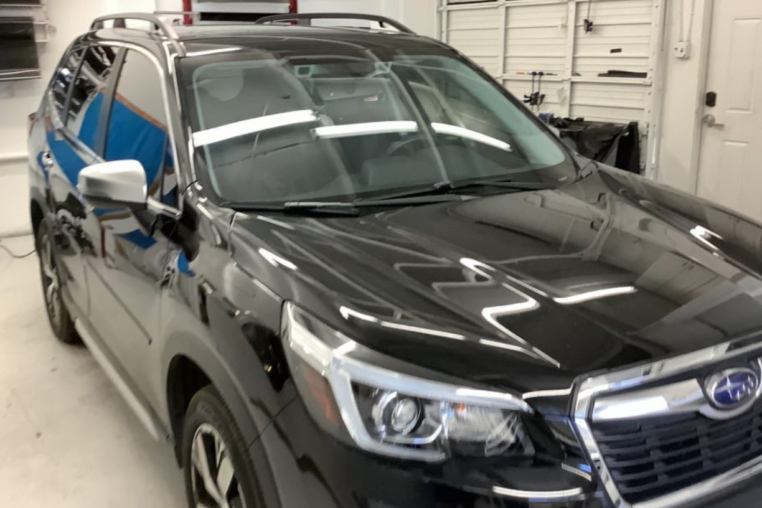
Washington Window Tint Laws: What’s Legal in 2026
Key takeaways
- Washington requires at least 24% of visible light to pass through tinted windows (24% VLT) on the front side windows of every vehicle, and on all side and rear windows of sedans and coupes.
- Reflective film is limited to 35% reflectance, and mirror-finish, red, gold, yellow and black film are not allowed.
- SUVs, trucks and vans may go darker on the windows behind the driver. Sedans may not.
- A written note from a licensed physician allows darker tint for a medical need.
If you are tinting a car in Washington, the first question is how dark you can legally go. The answer depends on the window and on what you drive. This guide explains the state rules in plain language so you can pick a tint that looks good, keeps you cool and keeps you out of trouble.
The rules come from Washington law, RCW 46.37.430. We link to it at the end of this post.
The Short Answer: 24% Is the Limit
For most windows, Washington requires the tint plus the glass to let in at least 24% of visible light. This number is called VLT, or visible light transmission. A lower VLT means a darker window. A 5% tint is very dark, and a 50% tint is light. In Washington, 24% is the darkest you can go on the windows the law covers.
The law counts the total of your factory glass and any film, so the film you choose has to be a bit lighter than 24% suggests, because most car glass already blocks some light. A good installer measures this for you.
Window-by-Window Rules
| Window | Sedans and coupes | SUVs, trucks, vans and multi-purpose vehicles |
|---|---|---|
| Front side windows | 24% VLT or lighter | 24% VLT or lighter |
| Back side windows | 24% VLT or lighter | Any darkness, if reflectance is 35% or less |
| Rear window | 24% VLT or lighter | Any darkness, if reflectance is 35% or less |
| Windshield | Only a transparent strip along the top, no more than 6 inches and not below the AS-1 line marked on the glass. Clear UV-blocking film is allowed. | |
The darker-behind-the-driver allowance also covers some special vehicles, such as limousines, hearses and ambulances.
Reflectivity: Mirror Tints Are Out
Washington limits how reflective your tint can be to 35% or less. Mirror-finish film is not allowed at all. This is why shiny, chrome-looking tint gets drivers pulled over.
Colors That Are Not Allowed
Red, gold, yellow and black film are not permitted. Liquid tint that is brushed or sprayed on is also not allowed. Stay with neutral smoke, charcoal or ceramic films.
Other Rules People Miss
- Side mirrors. If any window other than the windshield is tinted, your car needs outside mirrors on both the left and right sides.
- One layer only. Washington does not allow more than a single sheet of film on a window.
- The installer sticker. A shop that tints for pay must put a certification sticker on the driver’s door post, with the business name and state tax ID. That sticker says the install meets the law.
- Factory tint is fine. Privacy glass applied by the manufacturer is allowed if it meets federal safety standards.
Medical Exemptions
If you or a regular passenger must avoid sunlight for medical reasons, Washington allows darker tint on all windows and the top 6 inches of the windshield. You need a written statement from a licensed physician. Keep that note in the vehicle.
What Happens If Your Tint Is Too Dark
Operating a vehicle with illegal tint is a traffic infraction in Washington. Officers can check your windows with a tint meter during a stop. If you buy a used car that is already tinted too dark, the rules still apply to you as the driver.
How to Choose a Legal Tint That Works
Legal does not mean weak. A quality ceramic film at a legal shade can block far more heat than a cheap dark film, because heat rejection comes from the film technology, not just darkness. Our ceramic window tinting is a good choice for Tacoma drivers who want comfort and a clean look inside the legal limits. See all options on our automotive window tinting page.
If you drive a Tesla or Rivian, see our Tesla services and Rivian services pages.
Washington Window Tint Law FAQs
What is the darkest legal tint in Washington?
24% VLT on front side windows for all vehicles. Sedans also need 24% or lighter on the back and rear windows. SUVs, trucks and vans can go darker behind the driver.
Is 20% tint legal in Washington?
Not on the front side windows, and not on any window of a sedan. A 20% film is darker than the 24% limit. On the rear windows of an SUV, truck or van it can be legal.
Is 35% tint legal in Washington?
Yes. 35% is lighter than 24%, so it meets the limit on every covered window.
Can I tint my windshield in Washington?
Only a transparent strip along the top, up to 6 inches. Clear UV-blocking film is allowed on the whole windshield.
Do I need a medical exemption for darker tint?
Yes, a written statement from a licensed physician is required for tint darker than the standard limits.
Will Summit tint my car to be legal?
Yes. We install to Washington’s limits and certify the work with the required sticker.
Get Legal Tint Installed in Tacoma
Not sure what shade fits your vehicle? Get a free quote or call (253) 240-5770 and we will recommend a legal film for your car. See also our paint protection film if you want to protect the paint at the same visit.
Source: RCW 46.37.430, Washington State Legislature. This post is general information, not legal advice.

- Washington Window Tint Laws: What’s Legal in 2026 - November 4, 2026
- How Much Does Paint Protection Film Cost? - September 30, 2026
- PPF vs Ceramic Coating: Which Protects Your Car’s Paint Best? - September 29, 2026