PPF Coverage Options Explained: Partial Front vs Full Front vs Full Body
Once you have decided you want paint protection film, the next question is the one that actually sets the price: how much of the car do you cover? Most drivers in Tacoma land on one of three levels, partial front, full front, or full body, and the right answer depends on what you drive, where you drive it, and how long you plan to keep it.
This guide walks through each PPF coverage option, what it protects, what it leaves exposed, and the starting price for each at Summit. By the end you should know which level fits your car before you ask for a quote.
What PPF Coverage Options Mean
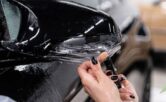
Paint protection film is a clear, self-healing urethane film that bonds to painted panels and takes the rock chips, scratches, and road grime so the paint underneath does not. A coverage option is simply the set of panels the film goes on. More panels means more protection, more labor, and a higher price.
The front of the car takes almost all of the impact damage, which is why coverage levels are built outward from the nose. If you are new to the product, our post on what PPF is and how it saves you money covers the basics.
Partial Front PPF Coverage
What It Covers
The leading 18 to 24 inches of the hood, the front portion of the fenders, and the backs of the painted mirrors. These are the surfaces that catch the most gravel at highway speed.
Who It Is For
Drivers who want the highest-impact areas protected on a budget, lease customers who plan to return the car in three years, and anyone whose car spends most of its time in town rather than on I-5 or SR 16.
What It Leaves Exposed
The rear half of the hood, the bumper, the headlights, and everything behind the front wheels. On a car with a low nose, the bumper is the panel that takes the first hit, so partial front is a floor, not a full front-end solution.
Starting Price
Partial front starts at $999 at Summit. Pricing varies by year, make, and model. Get a quote to confirm your specific cost.
Full Front PPF Coverage
What It Covers
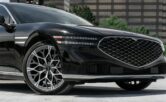
The entire hood, both full fenders, the painted front bumper, the headlights, and the backs of the painted mirrors. Everything forward of the doors is wrapped, with edges tucked so there is no visible line across the hood.
Who It Is For
This is the most common choice for daily drivers and commuters in the South Puget Sound, and the level we recommend for most new cars, Teslas, Rivians, and anything with a painted bumper that sits low to the road. If you drive the freeway every day, this is the level that stops the damage you will actually see.
What It Leaves Exposed
Doors, rocker panels, rear quarters, and the rear bumper. Those panels take door dings, shopping carts, and gravel thrown by your own tires, but far less high-speed impact than the front.
Starting Price
Full front starts at $1,599 at Summit. The final price depends on the year, make, and model, mainly because a large hood or a complex bumper takes more film and more time.
Partial Hood And Track Package
A fourth option sits between the packages for drivers with a specific need. A partial hood package wraps the full bumper and headlights with the front strip of the hood and fenders, which suits cars where the bumper is the panel that gets hit. A track package adds rocker panels, the lower doors, and the rear bumper lip for cars that see track days, gravel roads, or a lot of miles behind trucks.
Both are built from the a la carte panel list below, so they are quoted per vehicle rather than at a set starting price.
Full Body PPF Coverage
What It Covers
Every painted surface on the vehicle: hood, fenders, bumpers, doors, rockers, roof, pillars, quarter panels, trunk or tailgate, and mirrors. The film is cut per panel from a pattern for your exact model, so the edges wrap and there are no seams across the middle of a panel.
Who It Is For
Owners who plan to keep the car for years and want the paint to look factory-new when they sell it, buyers of high-value or rare-color vehicles, matte and satin finishes that cannot be polished, and anyone who wants to wash the car without worrying about swirl marks. It is also the choice if you want a matte or satin finish film over gloss paint, since the whole car has to match.
What It Leaves Exposed
Nothing painted. Glass, trim, and wheels are separate products.
Starting Price
Full body starts at $4,999 at Summit. Larger vehicles, complex body lines, and finish upgrades move the number, and a quote is the only way to get it exactly.
PPF Coverage Options Compared
| Panel | Partial front | Full front | Full body |
|---|---|---|---|
| Hood | Front 18 to 24 inches | Full | Full |
| Fenders | Front portion | Full | Full |
| Front bumper | No | Yes | Yes |
| Headlights | No | Yes | Yes |
| Mirror backs | Yes | Yes | Yes |
| Doors and door edges | No | No | Yes |
| Rocker panels | No | No | Yes |
| Roof, pillars, quarters | No | No | Yes |
| Rear bumper, trunk or tailgate | No | No | Yes |
| Starting price at Summit | $999 | $1,599 | $4,999 |
| Best for | Budget protection, short-term ownership, city driving | Daily commuters, new cars, most drivers | Long-term ownership, high-value cars, matte finishes |
Starting prices are for a typical sedan and vary by year, make, and model.
A La Carte PPF Panels
You do not have to buy a package. Any painted panel can be wrapped on its own or added to a package, and these are the ones we install most often as add-ons:
- Front bumper, the single most-hit panel on most cars
- Full hood, when the partial strip is not enough
- Fenders
- Side mirrors
- Rocker panels, which catch gravel from your own front tires
- Door edges and door cups, for parking lot and fingernail damage
- Rear bumper lip, for loading and towing scuffs
- Full wrap, when you want it all
A common build is a full front plus rockers and door edges. It covers the impact zones without the cost of roof, pillars, and rear quarters that rarely see damage.
Why Coverage Level Matters On Pacific Northwest Roads
The Puget Sound is harder on paint than the mild climate suggests. Winter road sand and gravel sit on I-5, SR 512, and SR 16 for months and get flung at the front of every car in the right lane. Chip-seal on county roads around Graham, Spanaway, and the Key Peninsula throws loose aggregate at rockers and lower doors. Nine months of rain keeps grit suspended in road spray, which turns every drive behind a truck into a low-grade sandblasting of the hood and bumper.
That is why full front is the default recommendation here rather than partial front. The bumper and headlights that partial front leaves bare are exactly the surfaces our roads hit first. If your car lives on gravel or you tow, the rockers and rear lip earn their cost too.
Many owners pair PPF with automotive window tinting in the same visit, since both protect the car from the same sun and road conditions.
How To Choose Your PPF Coverage Level
Four questions settle it for most people.
How Long Will You Keep The Car?
Under three years, partial or full front protects resale on the panels a buyer inspects first. Five years or more, full body pays back in paint that still looks new when you sell.
Where Does It Get Driven?
Mostly city streets and short trips: partial front is reasonable. Daily freeway commute: full front. Gravel driveway, rural roads, or towing: full front plus rockers and rear lip, or full body.
What Is The Paint Worth?
A standard color on a mainstream car can be repainted if needed. A rare factory color, a multi-stage pearl, or a matte finish cannot be spot-repaired without a visible difference, and full body coverage is the only way to keep it original.
What Is The Budget Today?
Coverage can be added later. Plenty of customers start with full front and come back for rockers, door edges, or the rest of the car the following year. Starting at the front is never wasted money because the front is where the damage is.
PPF FAQs
Is partial front PPF worth it, or should I go straight to full front?
Partial front is worth it if the alternative is nothing. It covers the hood strip and fender fronts that catch the most gravel. But on most cars the front bumper takes the first hit, and partial front leaves it bare, so full front is the level we recommend for anyone who drives the freeway regularly.
Can I add more coverage later without it showing?
Yes. Film is cut per panel, so adding rockers, doors, or the rest of the car later matches the original install. The only thing that looks off is mixing a matte film with gloss on the same car, so decide the finish up front.
Does full body PPF cover the roof and the rear bumper?
Yes. Full body means every painted panel, including the roof, pillars, rear quarters, trunk or tailgate, and rear bumper. Glass, plastic trim, and wheels are not included.
Why does the same coverage level cost more on some cars?
Panel size and shape. A full-size truck hood uses far more film than a compact sedan hood, and a bumper with sensors, vents, and sharp creases takes longer to fit. That is why every level is quoted by year, make, and model.
Which coverage option is best for a Tesla or Rivian?
Full front at minimum. Both brands use large painted bumpers and low front ends that catch road debris, and both have paint that is expensive to repair. Rivian owners who use the truck for gravel or trail driving usually add rockers and the rear bumper, or go full body.
Choosing The Right PPF Coverage For Your Car
Partial front protects the hood strip and fender fronts on a budget, full front wraps everything forward of the doors and suits most daily drivers, and full body keeps every painted panel factory-new for as long as you own the car. The right level comes down to how long you keep the car, where you drive it, and what the paint is worth to you.
The next step is a quote for your exact vehicle. Send us the year, make, and model through the contact page or call (253) 240-5770, tell us how you drive, and we will recommend a level and price it out.
For package details, our work, and what to expect on install day, see the paint protection film service page.

- PPF vs Ceramic Coating: Which Protects Your Car’s Paint Best? - September 29, 2026
- PPF Coverage Options Explained: Partial Front vs Full Front vs Full Body - September 29, 2026
- How much does residential window tinting cost? - August 5, 2026