
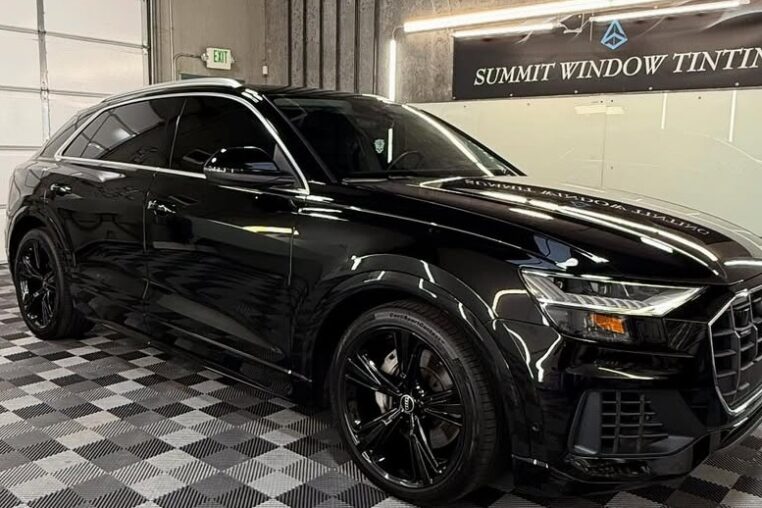
What Is PPF & How It Saves You Money
No matter how careful you are, it happens to every driver in Tacoma: you walk up to your car and notice a new rock chip, a fresh scratch, or a mark that wasn’t there yesterday. It’s frustrating, and it’s costly — because even minor cosmetic damage chips away at your car’s value and forces you into repeated paint repairs over time.
But what if you could shield your vehicle with a nearly invisible layer of protection that stops most of this damage before it ever happens?
That’s where Paint Protection Film (PPF) comes in — often called “clear bra,” “invisible armor,” or even a self-healing shield. And beyond the protection, PPF is one of the smartest ways to save money long-term as a car owner.
Let’s break down what PPF is, how it works, and why so many Tacoma drivers are choosing it as a cost-saving upgrade for their vehicle.
What Exactly Is Paint Protection Film (PPF)?
What Is PPF?
Paint Protection Film is a thermoplastic urethane film applied to your vehicle’s painted surfaces. It’s flexible, durable, and crystal clear, designed to absorb impacts and prevent damage before it reaches your paint.
If you’ve ever wondered:
- What is PPF made of?
- What’s PPF on a car?
- What does PPF mean?
The answer is simple: PPF is a transparent, protective film engineered to defend your car’s paint from everyday hazards.
Key Characteristics of Modern PPF
Today’s high-quality films — such as XPEL — are truly impressive:
Self-Healing Technology
Light scratches, swirl marks, and minor scuffs disappear with heat from the sun or warm water. Yes — the film literally heals itself.
Optical Clarity
Premium PPF is virtually invisible. It won’t yellow, cloud, or distort your paint like older films sometimes did.
Hydrophobic Properties
Water beads and rolls off easily, keeping your car cleaner between washes and reducing how often you need to wash or wax.
Common Areas to Apply PPF
Drivers in Tacoma often choose high-impact zones such as:
- Front bumper
- Full hood
- Fenders
- Side mirrors
- Rocker panels
- Door edges
- Full-vehicle wraps for ultimate protection
The Core Function: How PPF Protects Your Car
PPF acts as a sacrificial layer — it takes the damage so your paint doesn’t have to.
1. Defense Against Physical Damage
Here are the biggest threats your car faces daily:
- Rock Chips from gravel and debris
- Scratches & Swirl Marks from brushes, keys, and abrasive materials
- Bug Acids & Bird Droppings that can eat through the clear coat
- Road Salt & Chemical Contaminants (especially important in the PNW)
PPF absorbs these impacts and prevents the damage from reaching your paint.
2. UV Protection
Tacoma may not be known for constant sunshine, but UV exposure still happens year-round.
PPF filters UV rays to reduce:
- Clear coat oxidation
- Fading or discoloration
- Dullness over time
That means your car stays looking newer for longer.
How PPF Actually Saves You Money
Here’s where PPF really shines — the financial benefits.
A. Avoiding Expensive Paint Repairs
A single rock chip repair or clear coat touch-up can cost $200–$500. Repainting a panel? Often $700–$1,500+.
PPF prevents dozens — even hundreds — of these repairs over the lifetime of your vehicle.
The initial investment pays for itself quickly when you consider how often Tacoma roads throw gravel, debris, or rain-soaked hazards at your vehicle.
B. Protecting Your Resale Value
A car’s paint condition is one of the biggest factors in its resale or trade-in value.
PPF helps you maintain:
- Flawless original paint
- No chips or scratches
- No faded, oxidized, or repainted panels
Buyers and dealerships pay noticeably more for a car with untouched, glossy, factory-original paint. PPF helps ensure you keep that premium.
C. Lower Maintenance & Cleaning Costs
PPF’s hydrophobic top coating saves you:
- Time: dirt and grime don’t stick as easily
- Money: fewer waxes or expensive detailing sessions
- Hassle: fewer swirl marks, fewer paint corrections
A polished look with less work — what’s not to love?
D. Longevity & Warranty Protection
High-quality PPF often comes with 5–10 year warranties, so your investment is covered long-term. That’s years of:
- Chip prevention
- Scratch reduction
- UV blocking
- Easy cleaning
…all while avoiding costly cosmetic repairs.
Conclusion
PPF isn’t just a protective coating — it’s a financial strategy for car owners who want to protect their second-largest investment. With its self-healing technology, long-term durability, and ability to maintain your vehicle’s value, PPF makes financial sense for virtually every driver in Tacoma.
So if you’ve been thinking of PPF as just another car accessory, think again. It’s invisible insurance that pays for itself over and over again.
FAQ
- What does PPF mean for cars?
PPF stands for Paint Protection Film, a clear urethane film applied to your vehicle’s painted surfaces. It protects against rock chips, scratches, bug splatter, and UV damage.
- What is PPF made of?
PPF is made from thermoplastic urethane, a durable and flexible material designed to absorb impacts and prevent physical damage to your vehicle’s paint. High-quality brands like XPEL include a self-healing top coat for added protection.
- Is PPF worth it for daily drivers?
Absolutely. Tacoma roads expose cars to gravel, rain, debris, and road contaminants year-round. PPF prevents constant rock chips and scratches, helping you avoid expensive paint repair bills and preserving resale value.
- How long does PPF last?
Most professional PPF installations last 5–10 years, depending on film quality and care. Many films come with long-term warranties for added peace of mind.
- Does PPF really heal itself?
Yes! Thanks to its self-healing top layer, minor scratches, swirl marks, and scuffs disappear with heat — either from sunlight, hot water, or a warm garage.
- Will PPF change the look of my car?
No — modern PPF is virtually invisible. It maintains your car’s factory finish while adding a high-gloss or matte enhancement, depending on the film you choose.