How Much Does Paint Protection Film Cost?
Key takeaways
- Paint protection film typically costs $1,000 to $5,500 for most vehicles, depending on how much of the car you cover.
- Coverage level is the biggest price driver, followed by vehicle size, film quality, and whether the paint needs correction first.
- Summit prices vary by year, make, and model, so a free quote is the only way to get an exact number for your car.
Paint protection film, often called PPF or clear bra, is a clear urethane film that bonds to painted panels and absorbs the rock chips, scratches, and road grime that would otherwise reach the paint. It is one of the few upgrades that pays for itself in avoided repairs, but the price range is wide enough that most drivers want a realistic number before they call anyone.
This guide covers what Paint Protection Film costs in 2026, why one car’s quote can be three times another’s, what a Tacoma quote should include, and how to decide whether it makes sense for the car in your driveway.
Average Paint Protection Film Cost
Professionally installed paint protection film costs $1,000 to $5,500 for most vehicles, with partial front packages starting around $1000 and full body coverage reaching $8,000 or more on large or complex vehicles. Measured by area, PPF runs roughly $2 to $12 per square foot installed, with the low end for flat, easy panels and the high end for bumpers and curved bodywork that take time to fit.
The single biggest variable is coverage. A car with only the leading edge of the hood wrapped and a car with every painted panel wrapped are both “PPF,” and they sit at opposite ends of the range. Vehicle size, film grade, and paint condition move the number from there.
PPF Cost By Coverage Level
| Coverage level | Typical installed cost | What it covers |
|---|---|---|
| Partial front | $1000+ | Front 18 to 24 inches of hood, front of fenders, mirror backs |
| Full front | $1600+ | Full hood, full fenders, front bumper, headlights, mirror backs |
| Full body | $5000+ | Every painted panel on the vehicle |
The partial front is the entry point. It protects the surfaces that catch the most gravel at highway speed and suits short-term ownership or cars that mostly stay in town.
Full front is what most Tacoma daily drivers choose. It wraps everything forward of the doors, including the bumper, which is usually the first panel to get hit.
Full body is for owners who plan to keep the car for years, own a rare color or a matte finish, or simply want to wash the car without worrying about swirl marks.
Not sure which level fits? Our guide to PPF coverage options walks through each one panel by panel.
What Drives The Cost Of Paint Protection Film
Coverage sets the range. These five factors decide where in the range your car lands.
Film Quality
Premium films are thicker, self-heal light scratches with heat, resist yellowing, and carry a 10-year or longer warranty. Budget films cost less per foot but can cloud, peel at the edges, or leave adhesive on the paint when removed. The difference in film cost is a few hundred dollars on a full front; the difference in how the car looks in year five is much larger.
Coverage and Panel Count
Every panel adds material and labor. A bumper takes longer than a hood because of vents, sensors, and curves, so a package that includes the bumper costs more than the panel count alone suggests. Adding rockers, door edges, or a rear bumper lip to a front package is usually a few hundred dollars each.
Vehicle Size and Complexity
A full-size truck hood uses close to twice the film of a compact sedan hood. Aggressive body lines, deep grilles, and split bumpers on performance cars take more time to fit cleanly. Some models also have paint that requires extra care during prep. This is why the same coverage level is quoted differently for a Civic, a Model Y, and an R1T.
Paint Correction Before Install
Film locks in whatever is under it. A new car usually needs only a wash and decontamination. A car with swirl marks, water spots, or light scratches needs polishing first, which adds a few hundred dollars but stops those flaws from being sealed under the film for the next decade.
Installer Experience
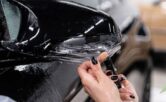
Paint Protection Film is cut from digital patterns for your exact model, then stretched, aligned, and tucked around every edge by hand. Experienced installers charge more per hour and finish with no visible edges, no stretch marks, and no trapped debris. A cheap install that has to be redone costs more than a good one.
Tacoma and South Puget Sound Pricing Considerations
PPF pricing in Tacoma sits in the same national range, but the local driving conditions change which package makes sense. Winter road sand stays on I-5, SR 512, and SR 16 for months and gets thrown at every front bumper in the right lane. Chip-seal county roads around Graham, Spanaway, Gig Harbor, and the Key Peninsula throw loose aggregate at rockers and lower doors. Nine months of rain keeps grit suspended in road spray, which turns a drive behind a truck into a slow sandblasting of the hood.
That is why full front is the level we quote most often here rather than partial front. The bumper and headlights that a partial front leaves bare are exactly the surfaces our roads hit first, and the extra cost is small next to a bumper respray.
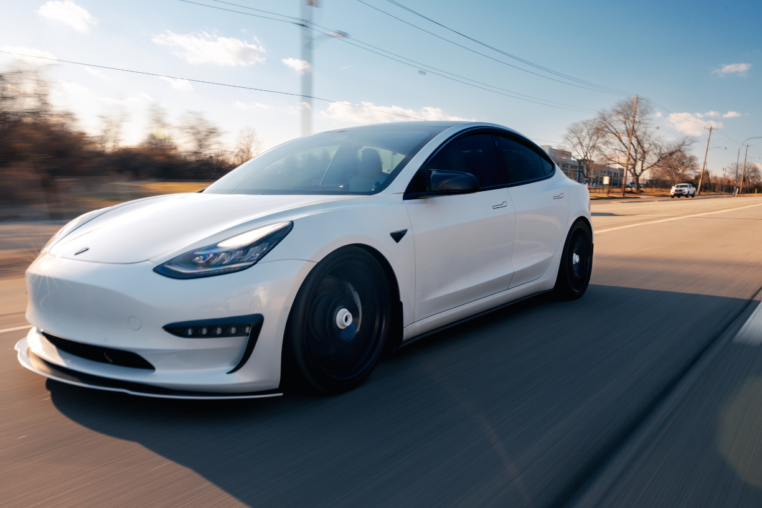
A Tacoma quote from Summit is built for your exact vehicle, not a generic price sheet. Send the year, make, and model, tell us how and where you drive, and the quote comes back with a recommended coverage level and the price for that car. Tesla and Rivian owners can start on our Tesla services and Rivian services pages, since both brands have large painted bumpers and paint that is expensive to repair.
PPF vs Ceramic Coating: Cost and What You Get
People compare these two because they cost about the same on a full front, but they do different jobs.
| Paint protection film | Ceramic coating | |
|---|---|---|
| What it is | Clear urethane film, about 8 mil thick, applied per panel | Liquid nano-coating, a few microns thick, applied over the whole car |
| Stops rock chips | Yes | No |
| Stops light scratches and swirls | Yes, and self-heals | Some resistance, no self-healing |
| Gloss and easy washing | Good | Excellent |
| Typical cost | $1000 to $5,500 | $800 to $2,500 |
| Lifespan | 10 years or more | 2 to 5 years |
If your worry is chips and physical damage, Paint Protection Film is the answer and ceramic is not a substitute. If your worry is water spots, dirt, and keeping the shine, ceramic is the cheaper fix. Many owners put PPF on the front and ceramic over the whole car, including on top of the film, so the two are not either-or.
DIY vs Professional PPF Installation
Pre-cut DIY kits sell for a few hundred dollars for a partial front, and for a small flat panel a patient owner can get a decent result. The problems start at bumpers, mirror caps, and any panel with compound curves, where the film has to be stretched with heat and tucked around edges without trapping dust. Most DIY installs end with lifted edges, stretch marks, or debris under the film, and film that has to be removed and redone costs more than a professional install would have.
Professional installation is done in a clean bay with patterns cut for your exact model, and it comes with a film warranty and a workmanship guarantee that a kit does not. On a $40,000 car, the labor is the cheapest part of the job.
Is Paint Protection Film Worth The Cost?
Run the numbers against the repairs it prevents. A single rock chip touch-up typically costs $200 to $500 at a body shop, and repainting one panel runs $700 to $1,500 or more. Two chipped panels over the life of the car already cost more than a full front package, and a repainted panel never matches factory paint the way original paint does, which shows up at trade-in.
For a leased car, Paint Protection Film protects you from wear-and-tear charges on the front end. For a car you plan to keep, it protects resale value on the panels a buyer inspects first. For a rare color or a matte finish that cannot be spot-repaired, it is the only way to keep the paint original. Our post on what PPF is and how it saves you money goes deeper on the math.
Where it is harder to justify is an older daily driver with existing paint damage, where the cost of correction plus film approaches what the car is worth. In that case a partial front on a good film is the sensible stopping point.
Why Tacoma Drivers Choose Summit Window Tinting
Summit Window Tinting is a veteran and family-owned shop in Tacoma, led by Lucas Gonzalez, a former Army Ranger and International Window Film Competition finalist, with more than 350 Google reviews at a 5.0 rating. Every PPF job is installed in our bay from patterns cut for your exact model, with edges wrapped and tucked so the film disappears on the car.
We quote by year, make, and model rather than from a flat price list, and we will tell you when a smaller package is the right call. The goal is film that still looks factory in year five, not the biggest invoice today.
Paint Protection Film Cost FAQs
How much does PPF cost for a full front?
A full front package, which covers the full hood, fenders, front bumper, headlights, and mirror backs, typically starts at $1600 installed. Large trucks, complex bumpers, and premium film sit at the top of that range.
How much does full body PPF cost?
Full body coverage typically costs $5,000 to $8,000 or more, depending on vehicle size and body complexity. It is the right choice for long-term ownership, rare colors, and matte finishes that cannot be spot-repaired.
Why is PPF so expensive compared to a ceramic coating?
Paint Protection Film is a physical film cut and fitted panel by panel, which takes far more labor and material than spraying and wiping a liquid coating. It also does something ceramic cannot: it stops rock chips and self-heals scratches.
Does PPF pricing include paint correction?
Usually not. New cars need only a wash and decontamination before film. Cars with swirls, water spots, or light scratches need polishing first, which is quoted separately and adds a few hundred dollars.
How long does paint protection film last?
Premium film lasts 10 years or more with normal care and is backed by a manufacturer warranty against yellowing, cracking, and peeling. Budget film can fail in two to five years, which is the main reason cheap quotes end up costing more.
Getting a Paint Protection Film Quote In Tacoma
Paint protection film costs $1,000 to $5,500 for most vehicles. Coverage level sets the range, and vehicle size, film grade, paint condition, and installer skill decide where your car lands within it.
The simplest next step is a number for your own car. Get a free quote with your year, make, and model, or call (253) 240-5770, and we will recommend a coverage level and price for that vehicle.
For package details, photos of our work, and what to expect on install day, visit our paint protection film service page.

- How Much Does Paint Protection Film Cost? - September 30, 2026
- PPF vs Ceramic Coating: Which Protects Your Car’s Paint Best? - September 29, 2026
- PPF Coverage Options Explained: Partial Front vs Full Front vs Full Body - September 29, 2026